.png)
Real learning, real testing
A competition format becomes reality
Throughout my studies, I realized that while students have access to a vast amount of scientific knowledge, they rarely get the chance to apply that knowledge to real-world problems. I wanted to create an environment where students could do more than just seek correct answers; I wanted them to learn how to ask questions, develop research ideas, evaluate evidence, and present their own solutions. That is how the idea for an academic platform - one that allows students to truly demonstrate their research capabilities - was born. I believe competitions should encourage learners to explore and apply knowledge practically, rather than serving merely as arenas to test rote memorization or basic calculation skills.
I began developing the concept in late 2025, when I had only a rough vision of the competition's format. My primary goal was to enable students to engage in hands-on research and produce a scientific report. However, conducting research is a lengthy, time-consuming process—and like me, these students have regular schoolwork to attend to. Furthermore, not everyone has the opportunity to conduct experiments. Facing these simultaneous challenges, I found myself wavering regarding the competition's original purpose and the mission I had attached to it. Ultimately, a suggestion from a teacher offered a potential solution to the dilemma:
"Researchers often start out just like you; they, too, have to read and learn a great deal."
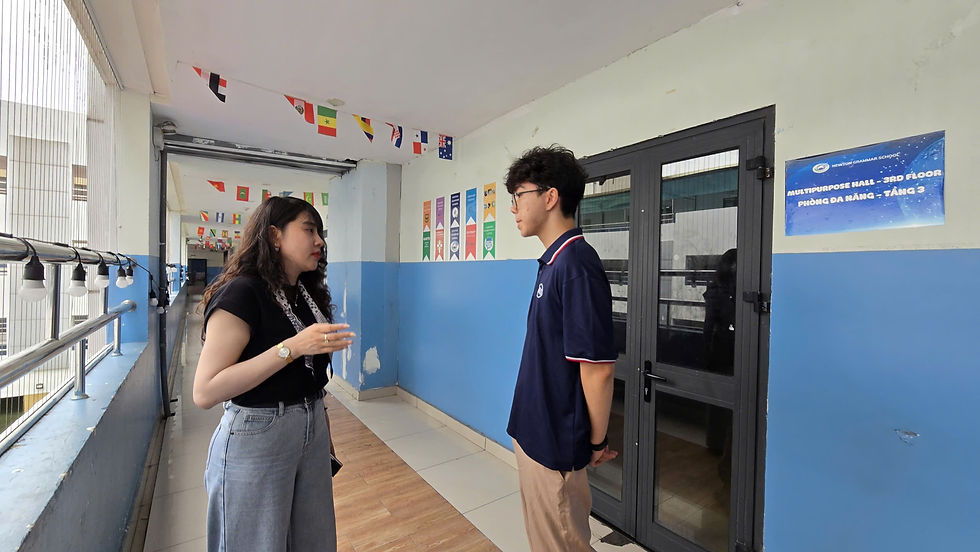
That realization changed everything—there was no need for something overly complex. I concluded that if the competition resulted in students honing their skills in reading research literature and synthesizing information, that in itself would be a significant initial success. From there, the competition took shape; I introduced it to students and reached out to partners for sponsorship and support to bring the project to life.

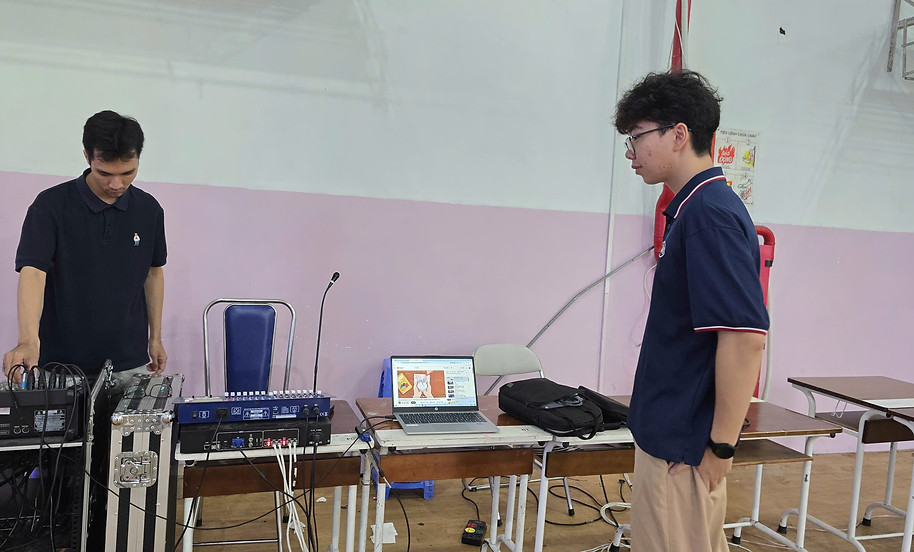
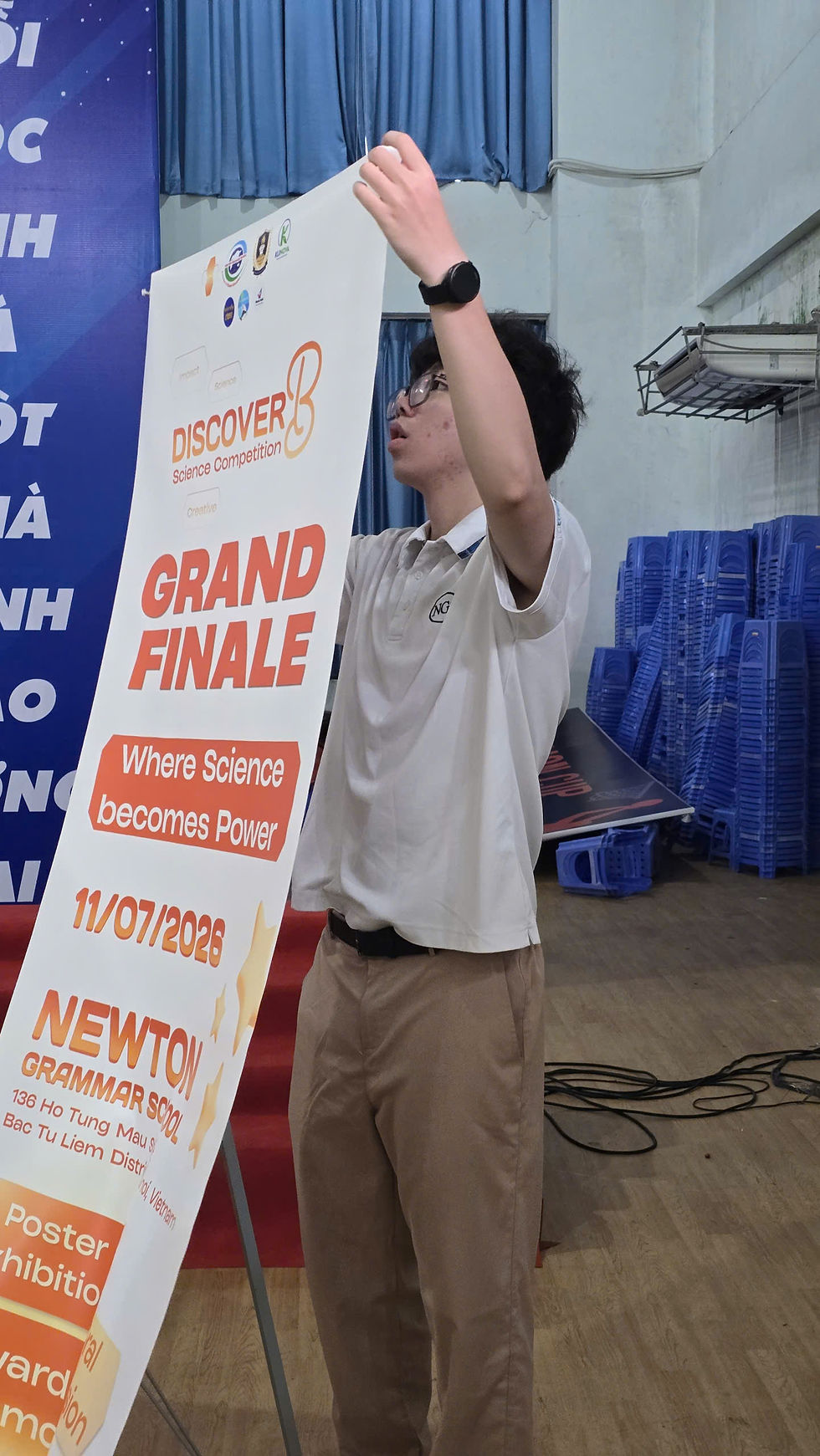
One of the most crucial steps was securing Newton Grammar School as the host venue. I proactively proposed a partnership to the school administration, presenting a detailed plan that highlighted the competition's academic value and the opportunities it offered to both the students and the wider community. Fortunately, the teachers and staff were incredibly supportive and offered me their full assistance.

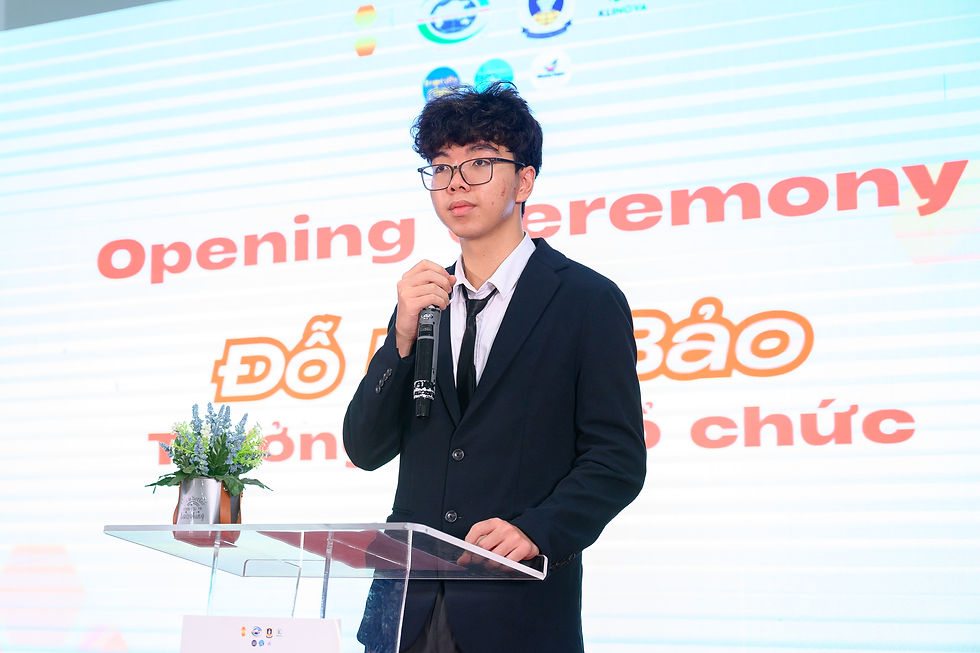
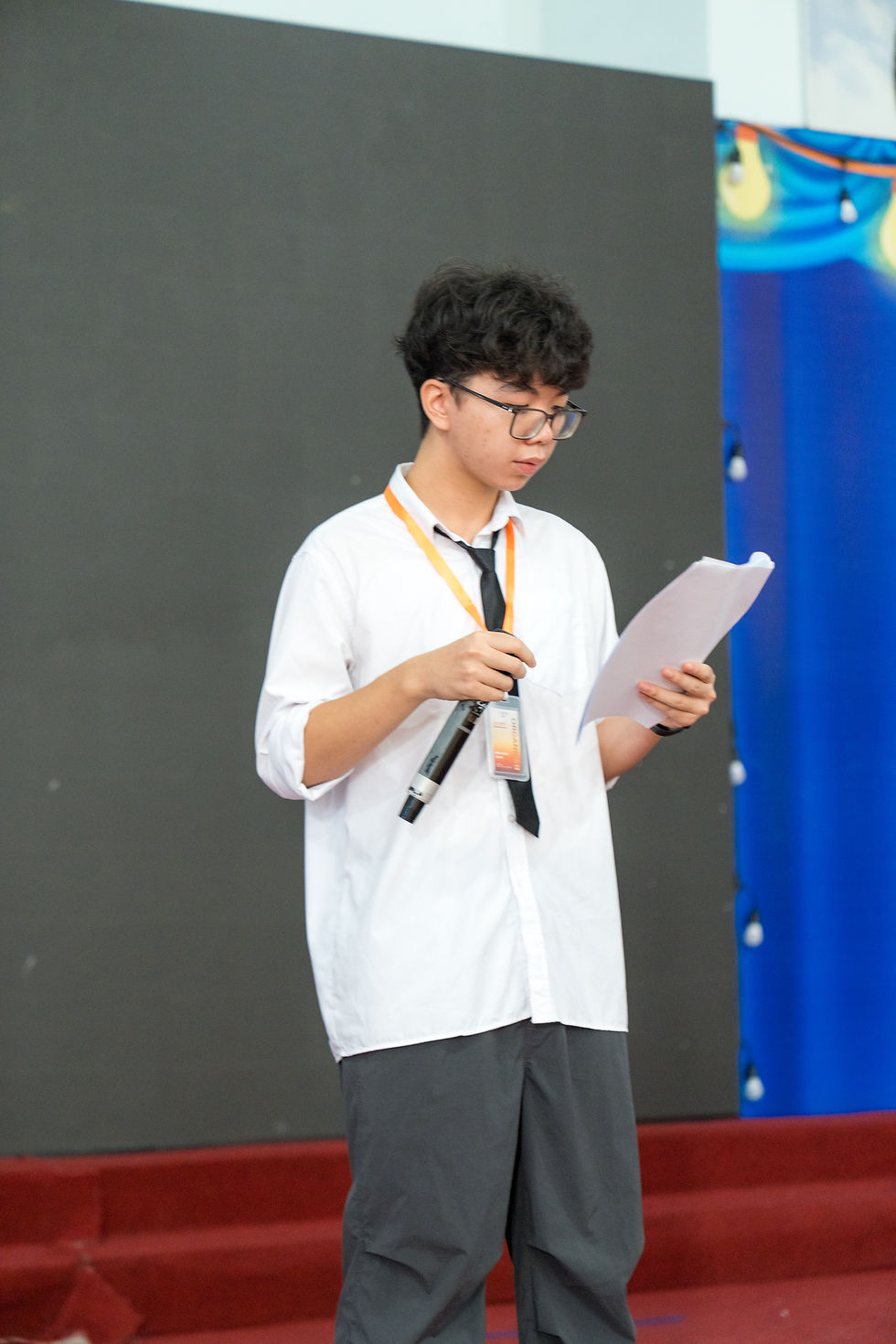
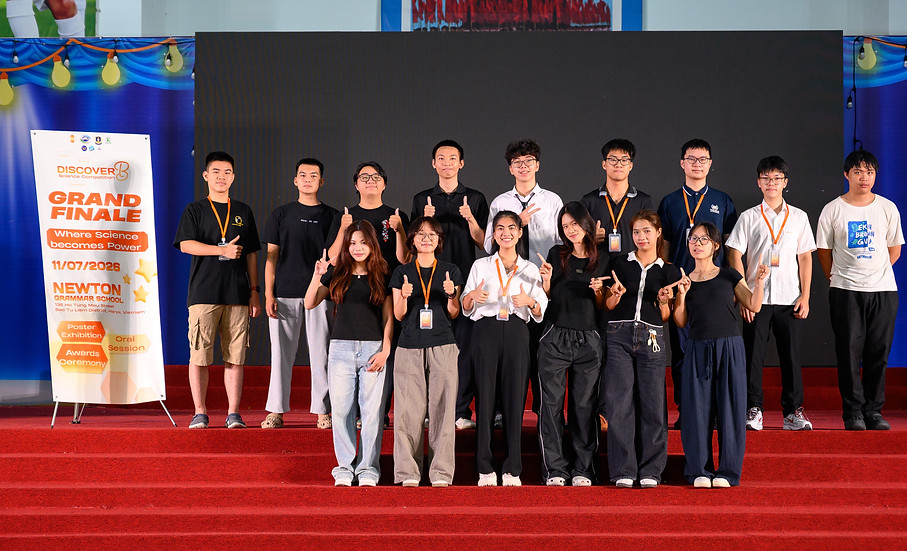
After months of preparation, DiscoverBee welcomed over 50 teams and more than 200 participating students. The journey culminated in the Grand Finale, where teams had the opportunity to share their scientific ideas with the community through a research poster exhibition and a "Roundtable Pitching" session featuring the top 10 teams.

DiscoverBee’s success is measured by more than just the number of participating teams or the smooth execution of the Grand Finale. It lies in creating an environment that encourages students to move beyond the role of passive knowledge recipients and become active explorers and sharers of knowledge.